
Diagnostic Guides
Technical Topics has trained thousands of UK automotive technicians since 1989. As the country’s leading IMI-approved diagnostic training centre, we’ve spent 30+ years developing and refining systematic diagnostic methodologies that solve real-world faults faster.
Our approach combines theoretical understanding with practical test procedures — the same techniques we teach Master Technicians in our hands-on courses. Whether it’s pressure pulse analysis for engine diagnosis, CAN bus fault-finding, or ADAS calibration strategy, our methods are proven in workshops nationwide.
The free diagnostic guides below represent core techniques from our training programmes. Each guide provides the direct answer first, followed by step-by-step procedures and realistic diagnostic timeframes. These are the same systematic approaches that have made Technical Topics the UK’s most trusted name in automotive diagnostics training.
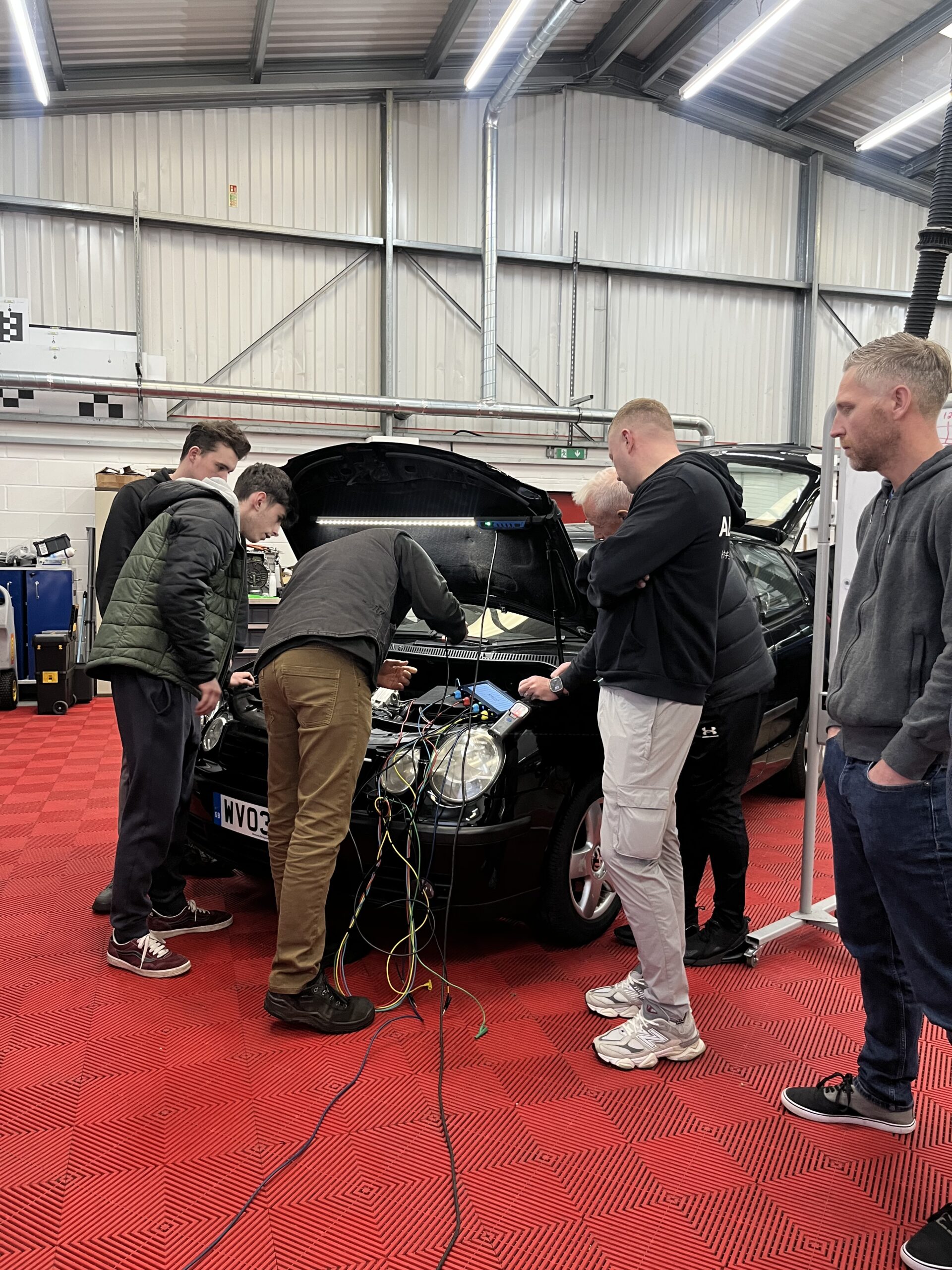
The free diagnostic guides below represent core techniques from our training programmes. Each guide provides the direct answer first, followed by step-by-step procedures and realistic diagnostic timeframes. These are the same systematic approaches that have made Technical Topics the UK’s most trusted name in automotive diagnostics training.
Electrical & Electronic Diagnostics
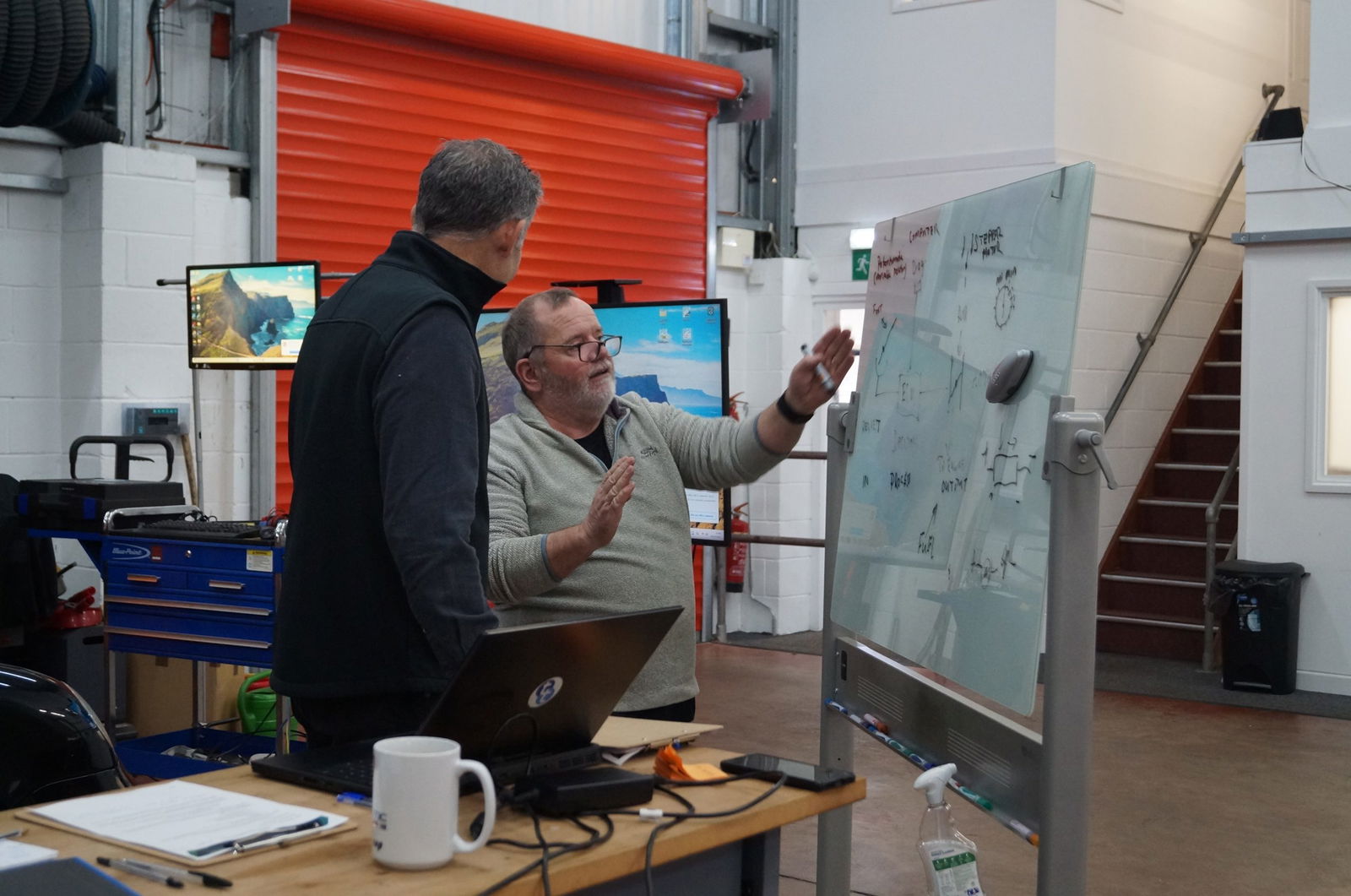
Intermittent Electrical Faults: The Wiggle Test & Beyond
The Answer: Wiggle every connector in the affected circuit while monitoring live data. 90% of intermittent electrical faults are connector or wiring issues.
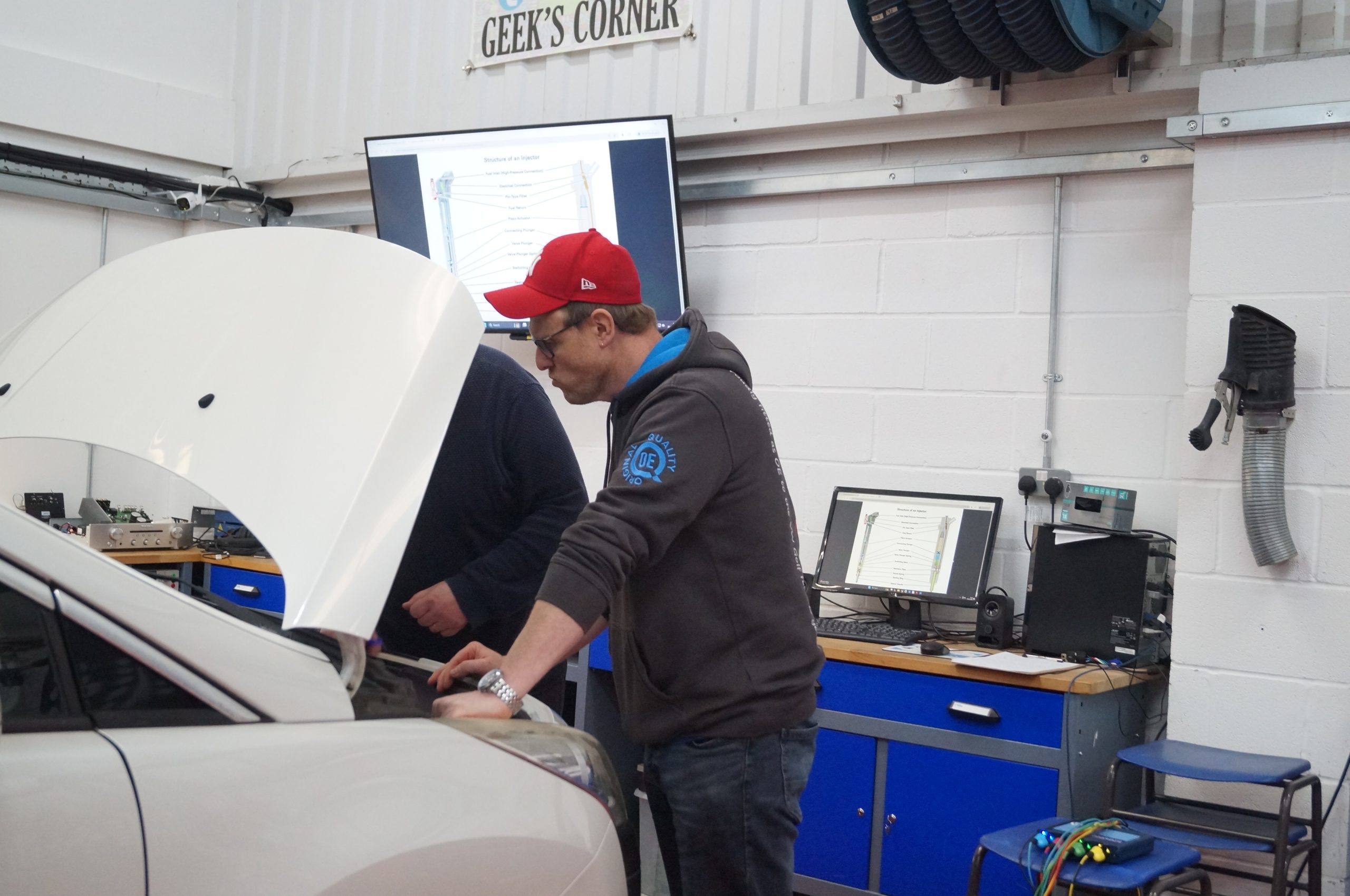
CAN Bus Fault Finding: 60 Ohm Test & Network Diagnosis
The Answer: Measure resistance across CAN-H and CAN-L with ignition off. 60 Ohm = healthy network with both 120 Ohm termination resistors in parallel.
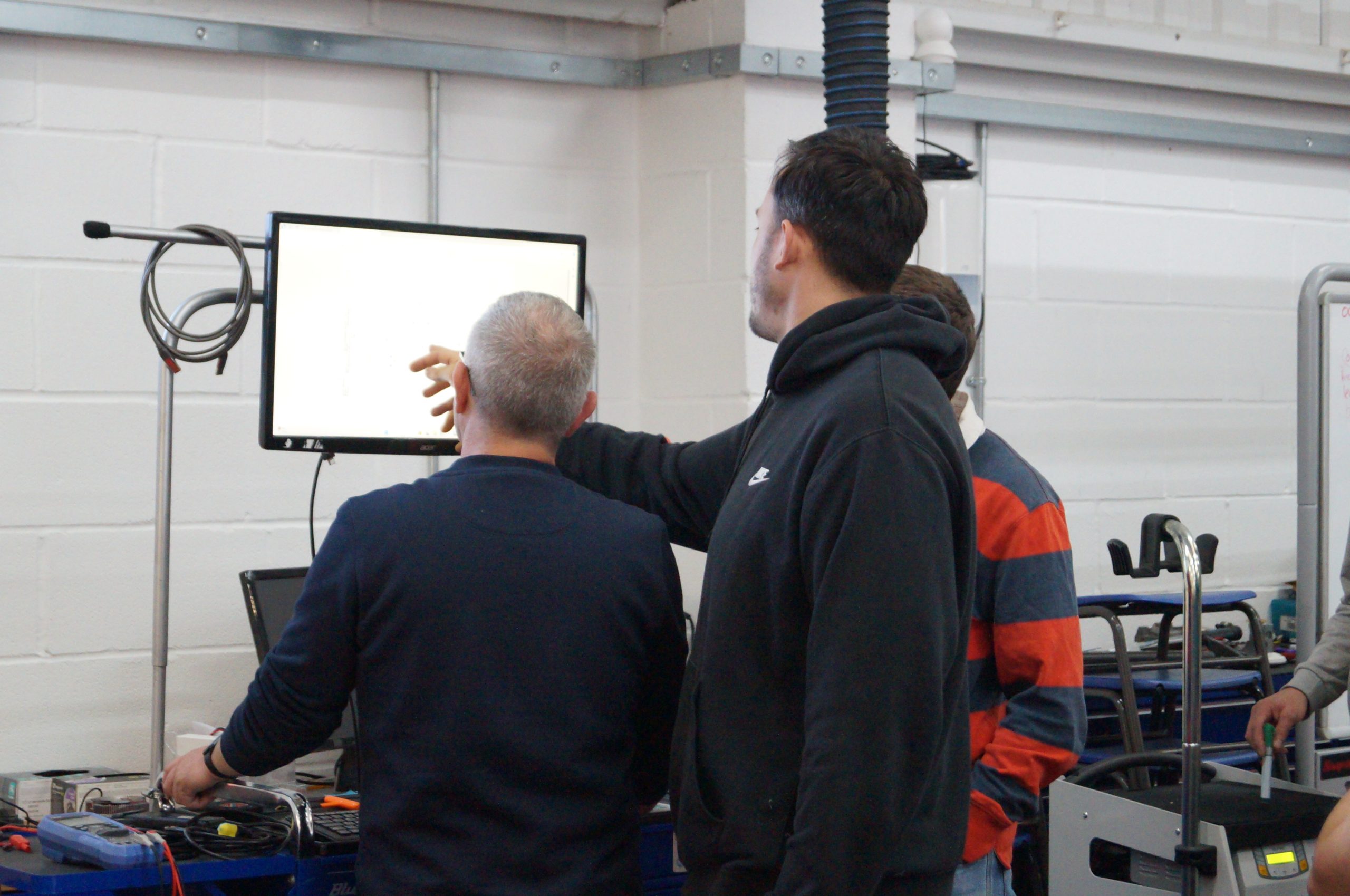
No Fault Codes But Something’s Wrong: Diagnostic Strategy
The Answer: Start with voltage drop testing on power and ground circuits. 70% of “no code” faults are supply issues the ECU can’t detect.
Engine Performance & Compression
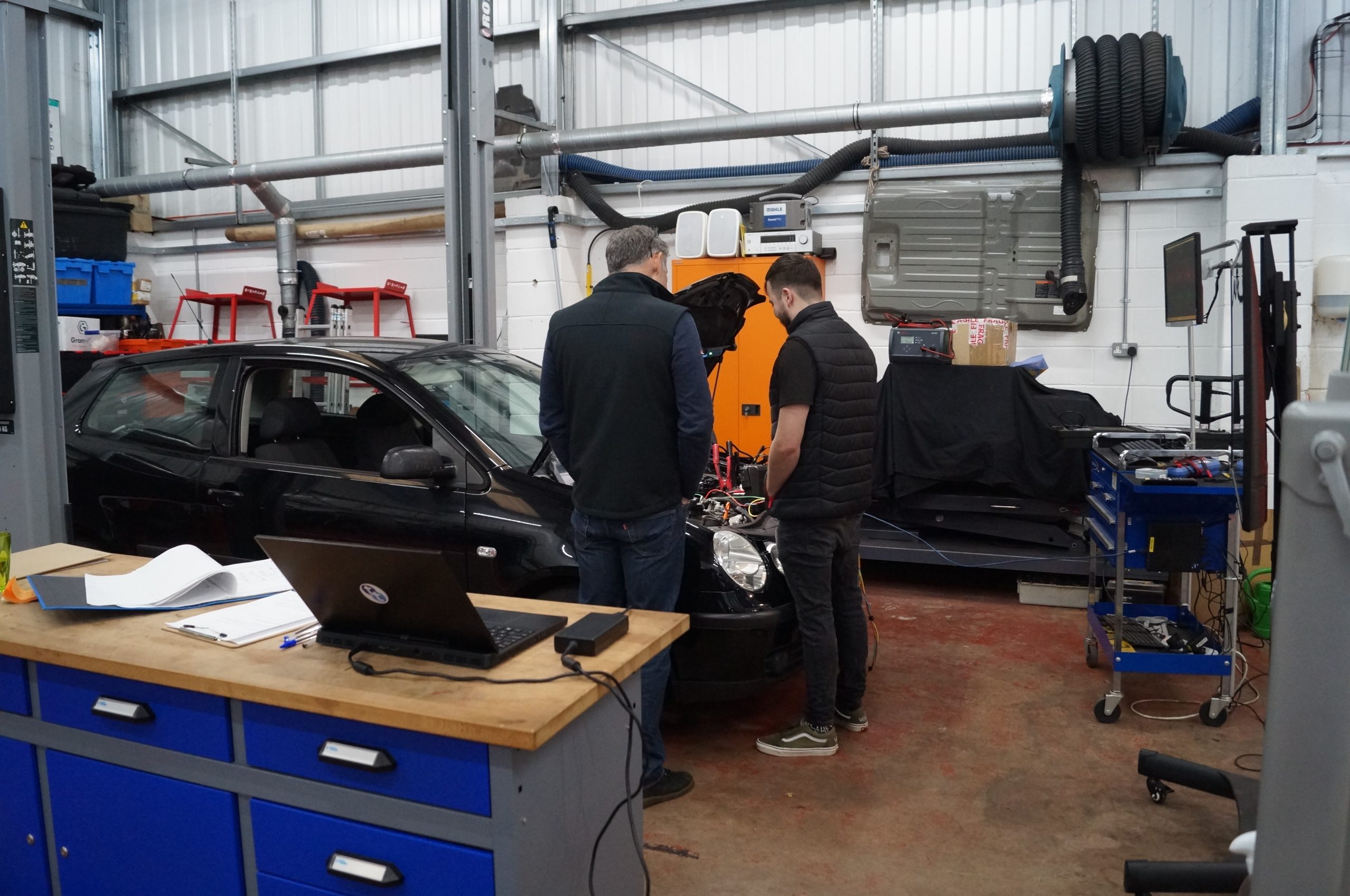
Intermittent Misfire Diagnosis: Petrol Engine Troubleshooting
The Answer: Connect a 4-gas analyser in free-run mode. The relationship between HC and O2 tells you whether you’re chasing ignition or fuel—in under 2 minutes.
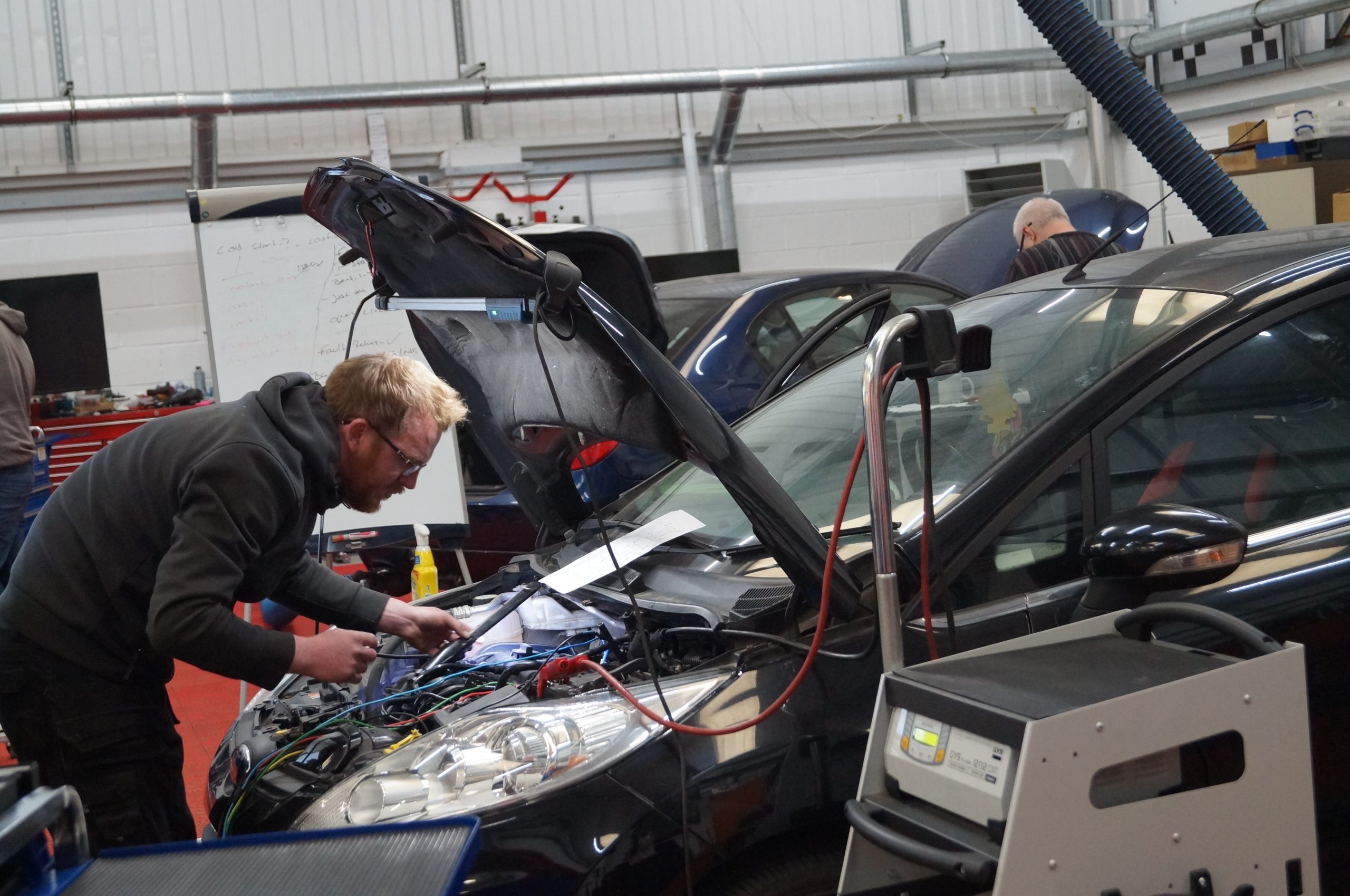
Relative Compression Test: Engine Diagnosis in Minutes
The Answer: Measure starter motor current draw with an amp clamp during cranking. Each cylinder creates a current peak as it reaches TDC compression.
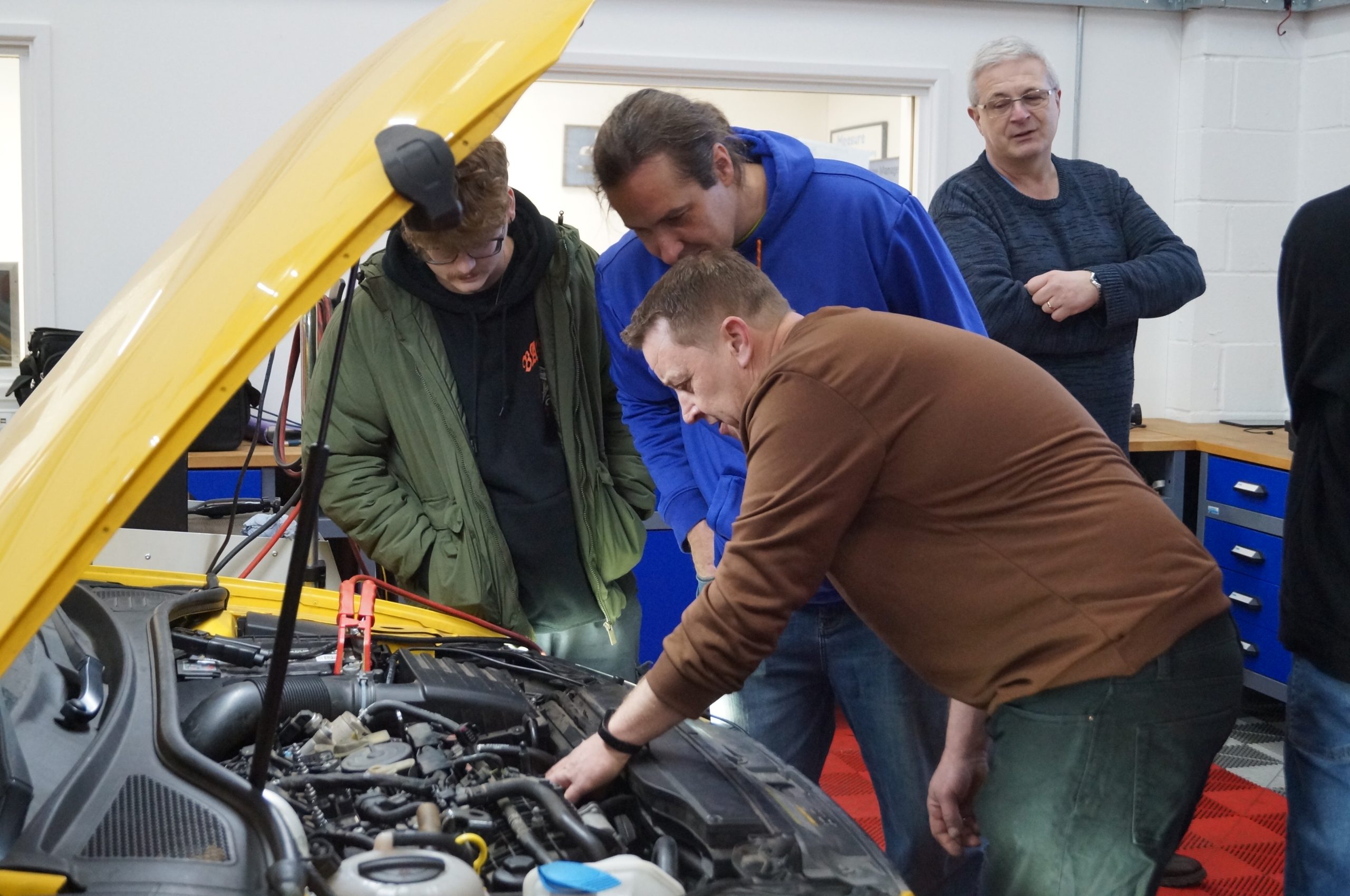
Pressure Pulse Analysis: What Compression Tests Miss
The Answer: Standard compression gauges miss 40% of faults. Pressure pulse analysis shows exhaust valve leaks, inlet valve leaks, ring blow-by in real-time.
Diesel & Emissions Systems
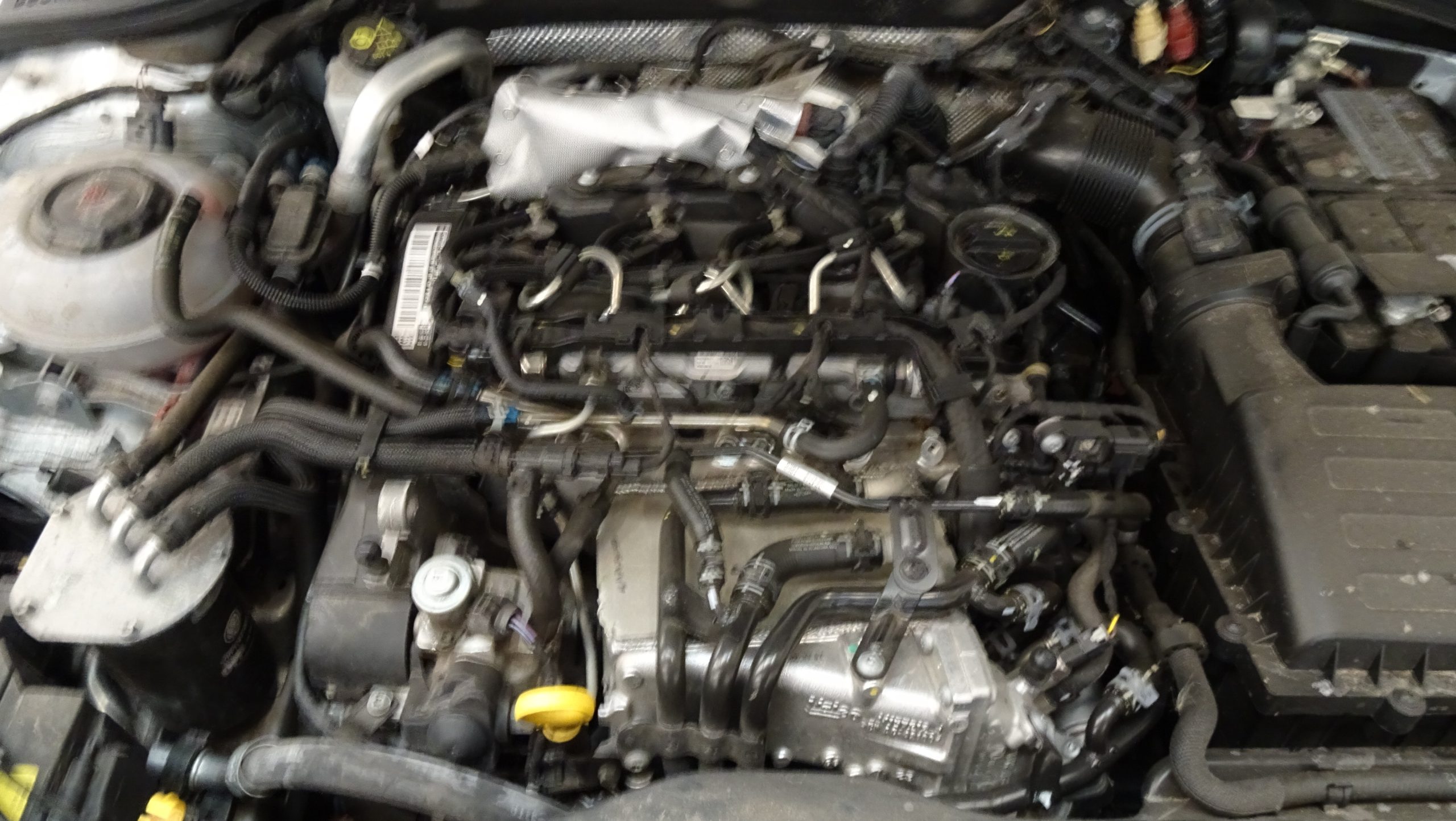
Diesel Misfire Diagnosis: Rough Running & Power Loss
The Answer: Read exhaust smoke colour first. Black = air/fuel imbalance. White = incomplete combustion. Blue = oil burning. 70% trace to injector faults.
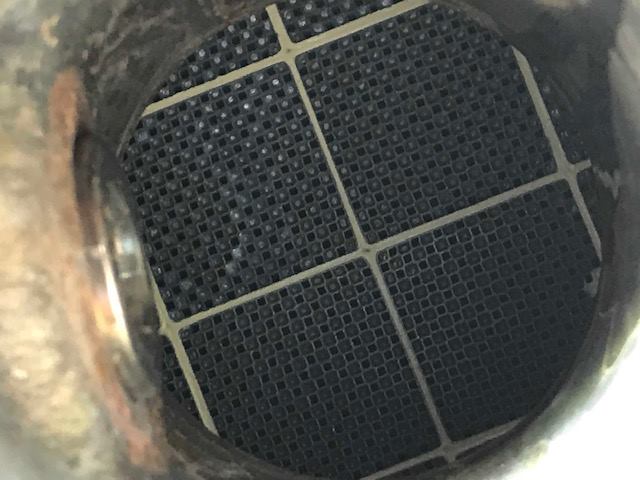
DPF Not Regenerating: A Diagnostic Guide
The Answer: Check soot loading % and exhaust back pressure before forcing a regen. If soot is above 45% but back pressure exceeds 150 mbar, the DPF needs cleaning.
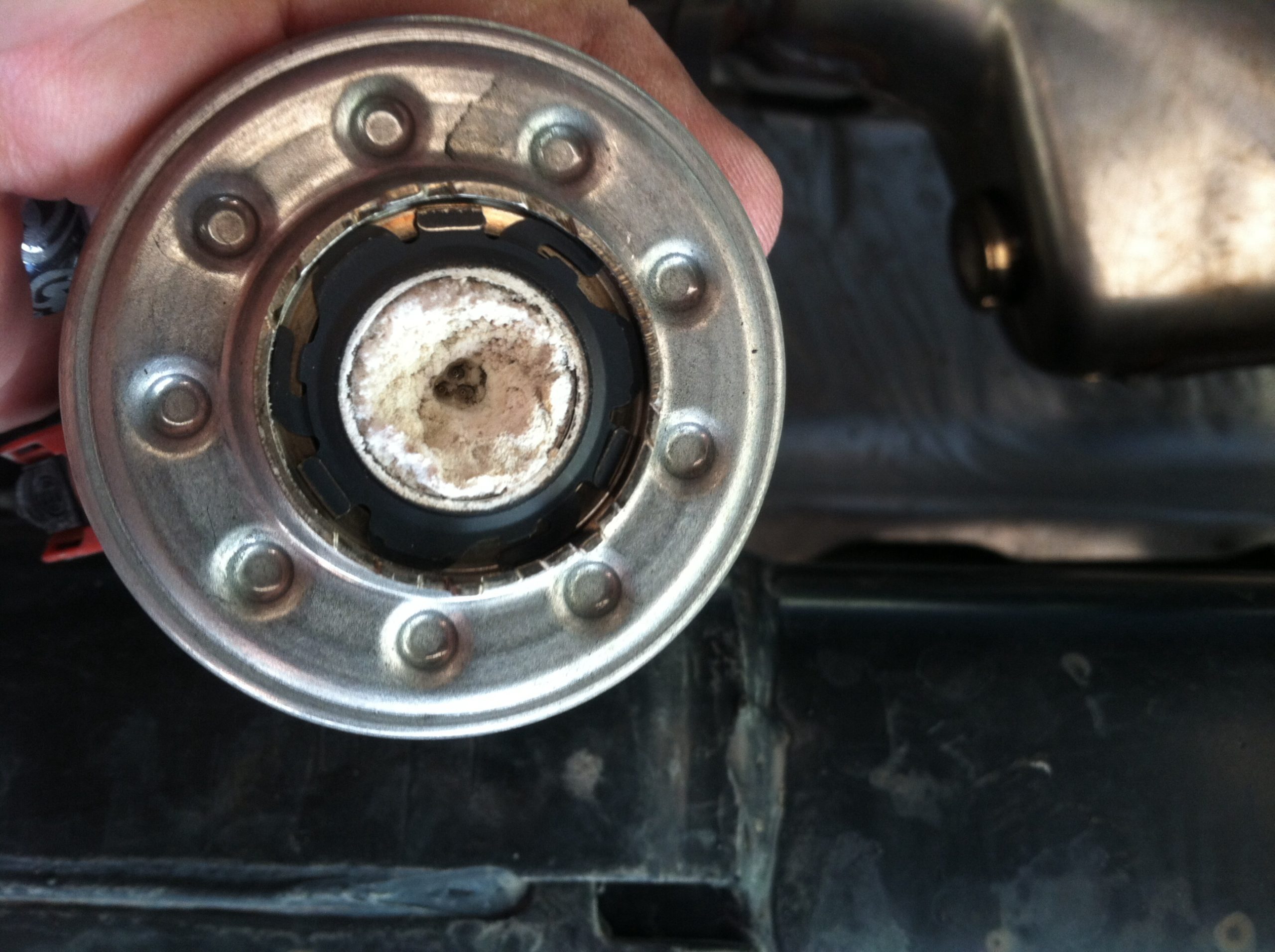
P20EE Fault Code: AdBlue SCR Efficiency Diagnosis
The Answer: Check NOx sensor readings first—if downstream NOx shows 65535 ppm, the sensor has failed. 60% of UK cases trace to NOx sensor or crystallised injector.
Hybrid & EV Systems
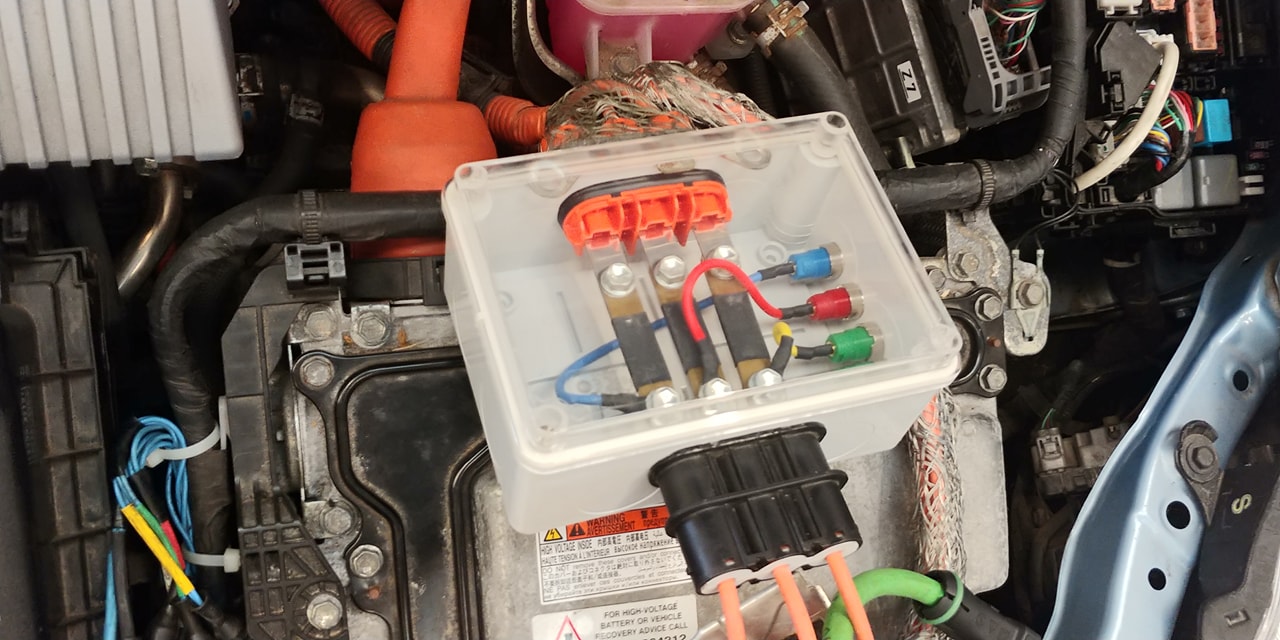
Hybrid System Fault Diagnosis: Inverter, Battery & Cooling
The Answer: Check inverter coolant level and pump operation first. 60% of hybrid fault codes that look electrical are actually cooling-related.
Hybrid Battery Diagnosis: Cell Imbalance & Degradation Testing
The Answer: Read individual cell block voltages via scan tool. More than 0.5V difference between any two blocks = cell degradation.
High Voltage Safety for Technicians: EV & Hybrid Isolation
The Answer: Never touch orange cables. Always wear Class 0 insulated gloves. Isolate service disconnect, wait 10 minutes, verify zero voltage.
ADAS & Advanced Driver Assistance Systems
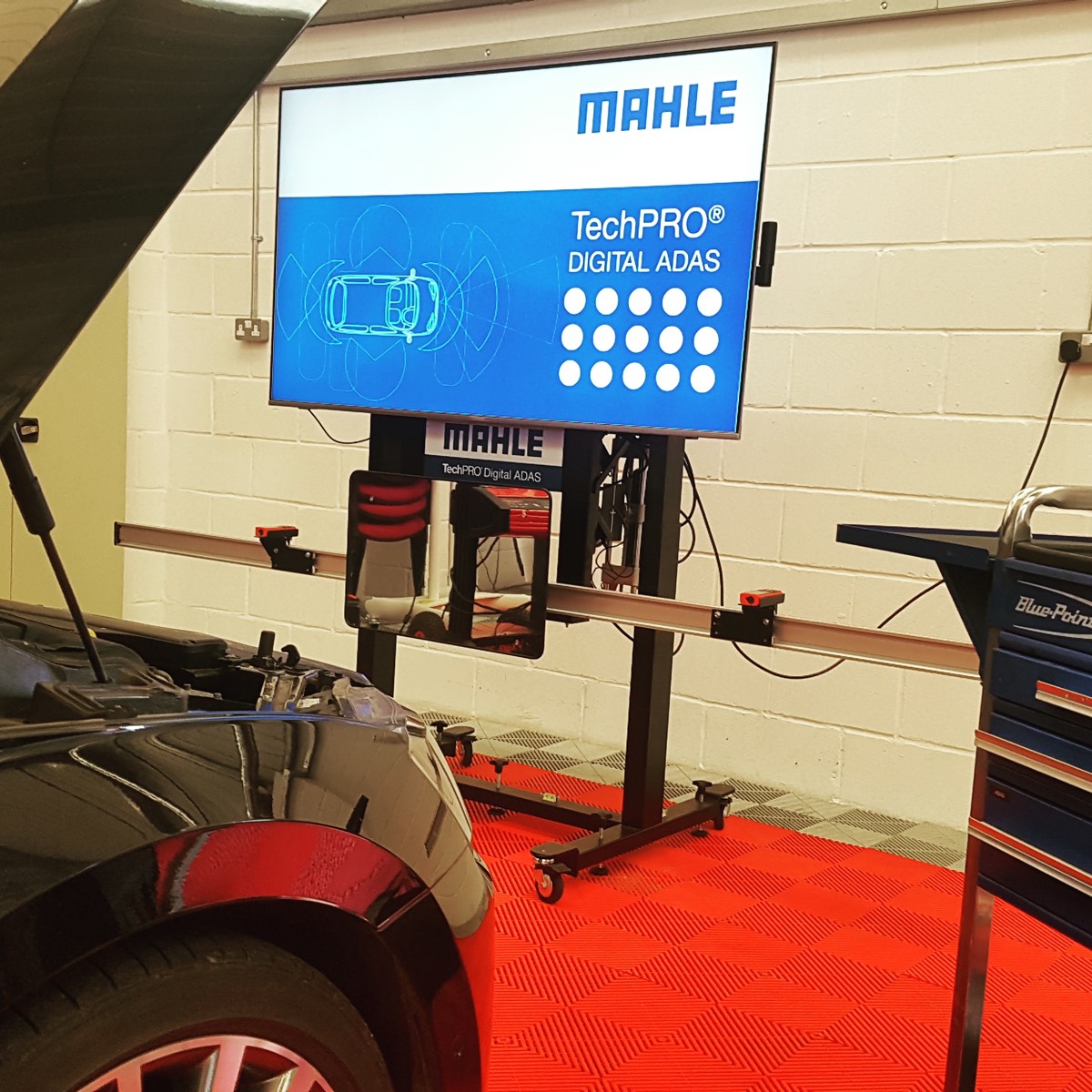
ADAS Calibration Failure: Why It Won’t Complete
The Answer: Check for any warning lights before starting calibration. Any stored fault code—even unrelated—can block ADAS calibration.
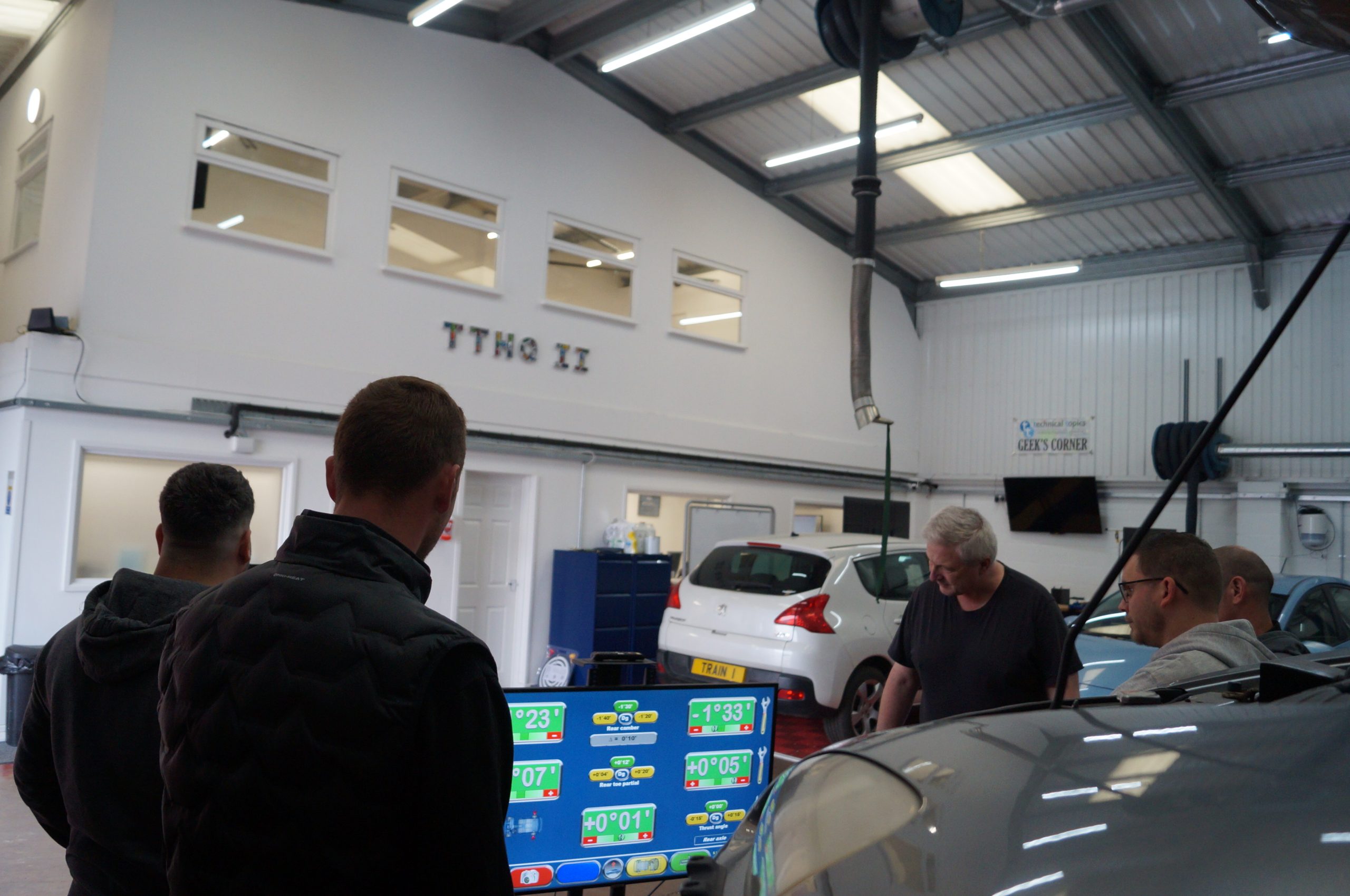
Wheel Alignment & ADAS: Why Calibration Requires Both
The Answer: ADAS sensors follow the thrust angle, not the centreline. Alignment must be correct before calibration—never after.
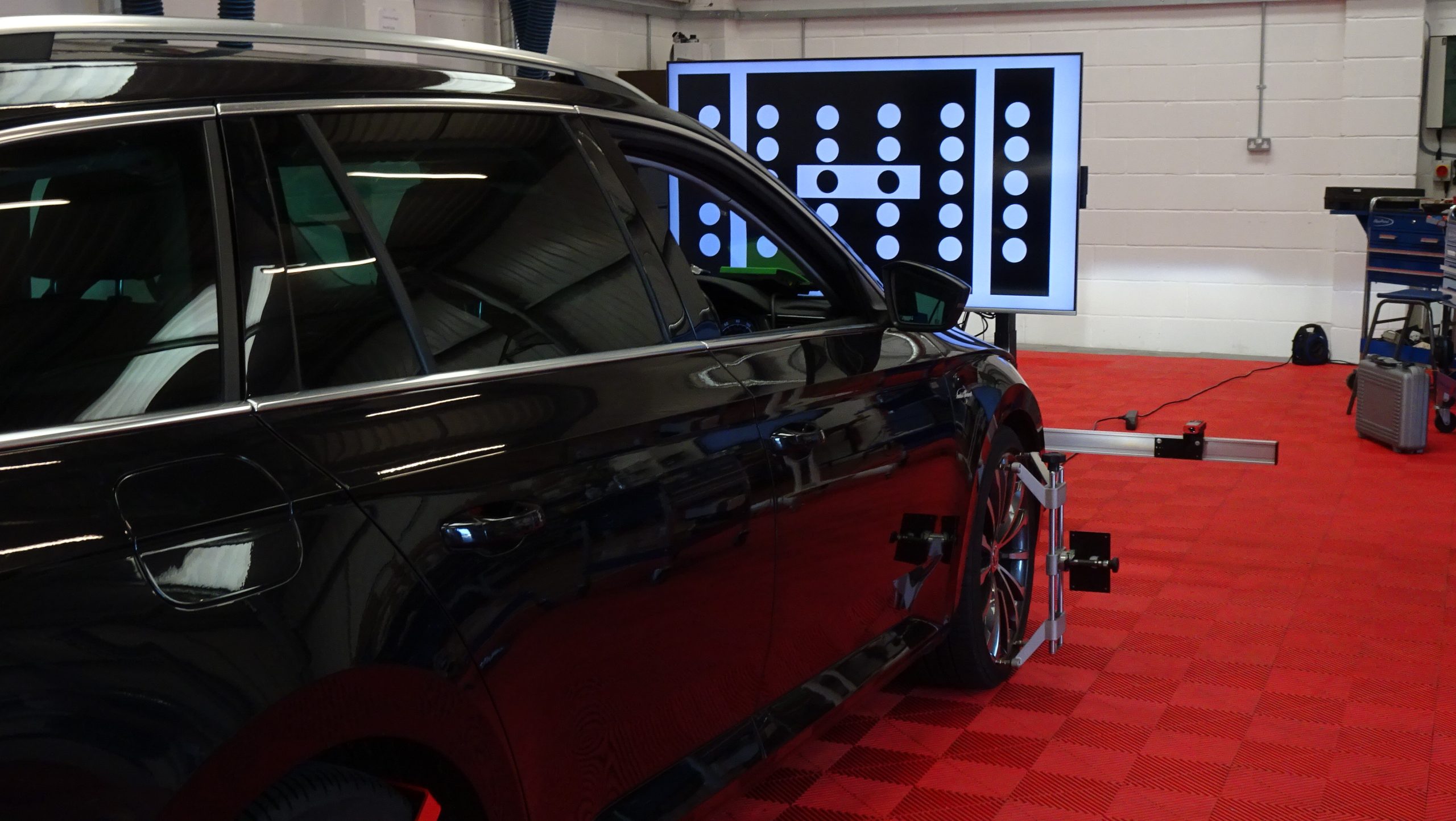
Radar Sensor Misalignment: Diagnosis After Accident Repair
The Answer: Even 1° of bracket deflection throws radar aim off by metres at motorway distance. Replace bent brackets—don’t straighten.